
Diesel Fuel Prices Today: Why They Change So Fast 2026
Your fast, practical guide to diesel fuel prices today—track one benchmark, pick a one-stop refuel with DEF and parking, and keep routes predictable in Stouffville.
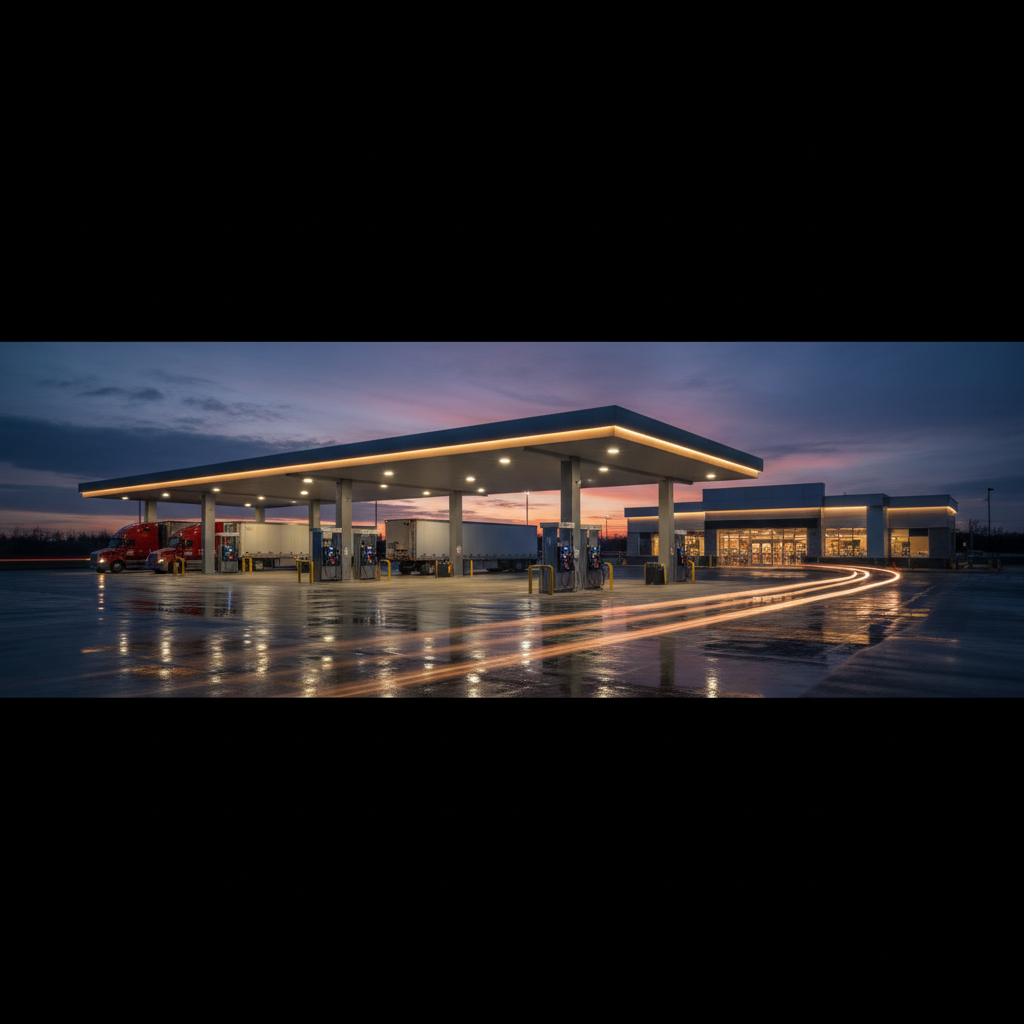
Diesel fuel prices today reflect wholesale benchmarks, regional taxes, and station-level operations. Retail pumps typically update at least daily based on supply and competition. For Stouffville drivers and fleet managers, the fastest win is pairing real-time price checks with efficient stops—fuel, DEF, parking, coffee, and errands—in one visit.
By Esso Bloomington • Last updated: 2026-06-28
Above-Fold Section
Today’s diesel price at the pump reflects wholesale diesel, transportation and blending costs, regional taxes, and local competition. You can’t control markets, but you can control your stop: choose a station that offers retail diesel, DEF, parking, and food in one place to save time every trip.
Here’s the practical angle: you can’t set the market, but you can set your routine. A single stop that covers fueling, quick food and coffee, restroom, and even LCBO convenience while you earn rewards keeps your day on schedule. That’s the consistent way to beat volatility.
Quick Summary
Diesel prices move fast; your plan should move faster. Track a reliable average, plan efficient routes, and refuel where essentials are bundled—diesel, DEF, parking, and food—so a 10-minute stop replaces multiple detours. This guide explains how to read pricing signals and turn them into real time savings.
- Understand what sets the pump price and why it changes throughout the week.
- Use simple tracking habits so you aren’t surprised at the nozzle.
- Turn one stop into many wins: retail diesel, DEF, parking, coffee/food, and errands.
- Earn PC Optimum points on every liter of fuel at participating stations.
- Apply fleet fuel tactics that reduce idle time, detours, and backtracking.
What Is “Diesel Fuel Prices Today”?
“Diesel fuel prices today” refers to a station’s current posted retail price informed by wholesale benchmarks, taxes, delivery costs, and competition. It’s the live number a driver pays at the pump, commonly updated at least once per day to reflect market and local conditions.
Think of the pump price as the endpoint of a supply chain. Futures and wholesale markets move daily. Transport, blending (like seasonal diesel), and regional taxes are layered in. Finally, local competition and station operations round out what you see on the sign.
- Wholesale benchmark: Sets directional momentum for retail price adjustments.
- Taxes and fees: Regional differences materially affect the final pump number.
- Station operations: Delivery timing, inventory, and competition shape daily updates.
- Seasonal blends: Winter formulations can slightly change energy content and cost.
For everyday planning, you don’t need to master every lever. You just need a consistent routine: check a reliable average, compare nearby options if needed, and refuel strategically where you can also grab food, handle errands, and get back on the road quickly.
Why Diesel Prices Today Matter for Drivers and Fleets
Diesel volatility impacts trip budgets and schedules. The practical response is efficiency: minimize detours, combine tasks in one stop, and earn rewards on every liter. Over weeks, shaving minutes off each refuel can outperform minor price differences across stations.
Price swings are real, but detours are expensive too—especially for fleets. A five-minute detour can snowball into missed windows. That’s why one-stop efficiency matters. Retail diesel, DEF, on-site parking, coffee, hot food, and convenience items in a single location save time each run.
- Time is fuel: Fewer detours and faster in-and-out fueling lower total route time.
- Rewards stack up: Earning PC Optimum points on every liter adds steady value over months.
- Driver readiness: Restrooms, coffee, and hot food help keep attention sharp.
- Fleet consistency: Standardized stop choices improve planning and reporting.
In our experience serving Stouffville drivers, consistent, well-planned stops lead to smoother days. The reality is simple: the right stop often beats the lowest sign by the time you factor detours, wait times, and missing amenities.
How Diesel Pricing Works (Without the Jargon)
Retail diesel reflects wholesale direction plus local realities. Benchmarks move daily; taxes, delivery, and blending add costs; then stations adjust for competition and operations. That’s why two nearby stations can differ today and equalize tomorrow.
Here’s a clear, step-by-step view of what shapes the number you pay:
- Wholesale moves: Daily market direction guides where retail is headed next.
- Regional taxes: Jurisdictional taxes and fees vary and meaningfully impact retail.
- Transport & storage: Delivery schedules and inventory age affect when prices update.
- Seasonal blending: Winter diesel and additive packages change costs slightly.
- Local competition: Nearby stations influence how quickly adjustments appear on the sign.
| Pricing Component | What It Is | Typical Effect |
|---|---|---|
| Wholesale benchmark | Market signal guiding retail direction | Daily to weekly momentum |
| Taxes & fees | Jurisdiction-specific charges | Material share of pump price |
| Delivery & logistics | Transport, storage, and timing | Causes staggered station updates |
| Blending & additives | Seasonal and performance packages | Small cost and efficiency shifts |
| Competition | Local price-matching dynamics | Faster or slower retail changes |
Two quick technical facts help when comparing pumps: ultra-low sulfur diesel (ULSD) contains under 15 ppm sulfur, and typical energy content is roughly 128,000 BTU per U.S. gallon. Winterized diesel can reduce energy content a bit, which may slightly affect observed mileage.
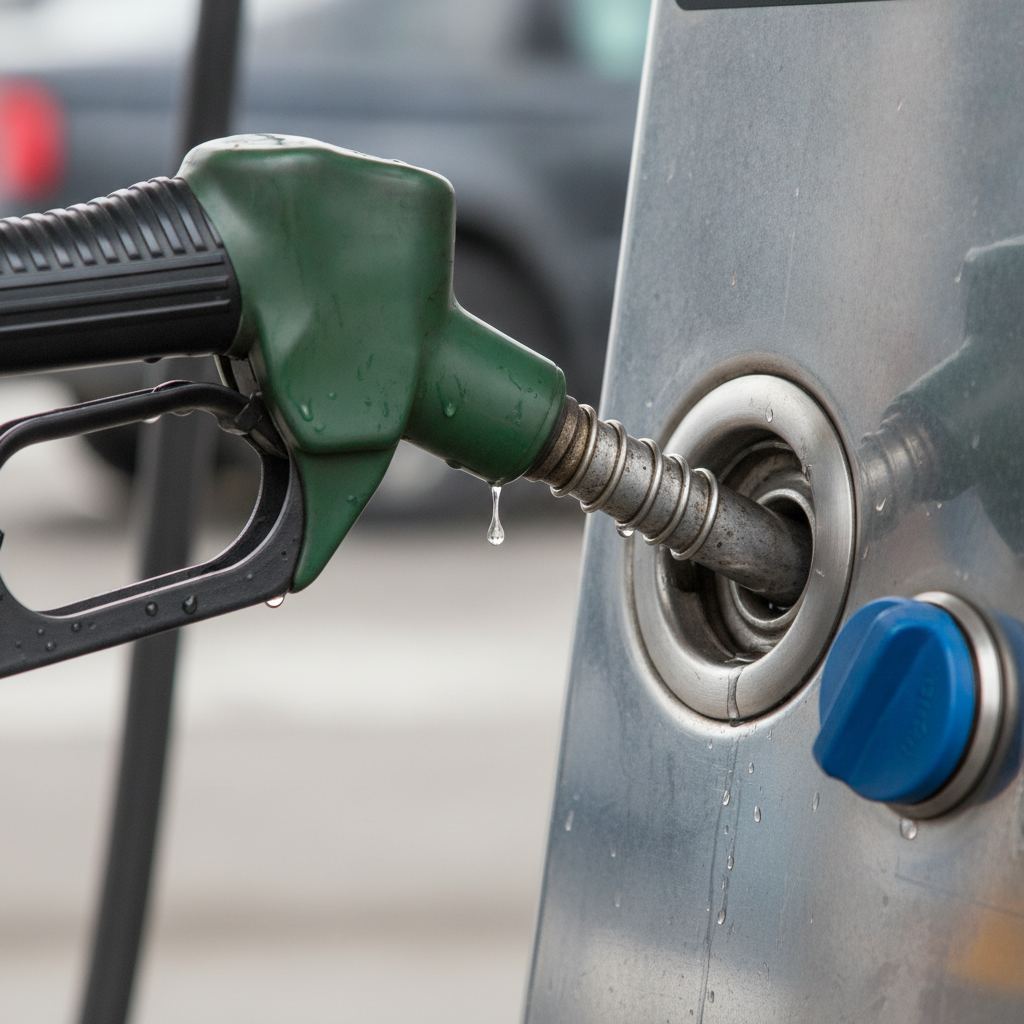
Ways to Track Diesel Fuel Prices Today (Fast and Reliable)
Use a simple stack: one national average, one local reference, and your preferred station’s updates. Check once in the morning and again mid-day if you’re routing. That keeps your expectations realistic without chasing pennies across town.
- Daily routine: Check a national average and a local reference over coffee.
- Station habit: Note when your go-to station usually updates the sign.
- Route rhythm: If you drive later, re-check once before your key stop.
- DEF readiness: Plan DEF top-ups to align with fuel stops to save minutes.
Industry coverage and general oil market summaries can provide background on big-picture shifts. Broader news often highlights supply headlines, refinery outages, or shipping constraints that can ripple into diesel markets in the short term. For example, general context articles about global reserves or product categories can help you interpret trends. One such background overview on fuel oil categories is available here, and another general reference appears here. Markets move, but a steady average plus your trusted station’s update time keeps expectations aligned. This combination cuts surprises and saves more time than hopping between multiple forecourts.
You might be wondering: how much granularity do I need? Not much. A single average and one local check are usually enough. For fleets, central dispatch can post a daily guidance note—e.g., “Refuel on return leg; combine DEF and coffee.” That reduces ad-hoc choices and idle time.
- One benchmark: Keep a single, stable reference for trend direction.
- Local confirmation: Verify with your preferred station’s typical update window.
- Fleet note: Issue one internal refueling guideline per shift to avoid detours.
- Driver feedback: Keep a shared log for unusual queues or delays.
Here’s the thing: consistency beats precision for most drivers. Over a month, a few saved minutes each day easily outperforms tiny price differences, especially when you can take care of food, rest, and errands in the same stop.
Best Practices to Reduce Fuel Spend Without Chasing Pennies
The best savings come from routine: combine tasks, manage tires, time your stops, and top up DEF alongside diesel. Small, reliable habits beat sporadic “price hunting” and reduce both stress and route variance.
Fueling and DEF in One Stop
- Align DEF top-ups: DEF usage often runs around 2–3% of diesel volume; topping up with diesel keeps you ahead of alerts.
- Watch the cap: Keep the DEF cap clean to prevent contamination and system faults.
- Track SCR health: Stable DEF usage is a good sign your aftertreatment is working properly.
Plan the Quickest In-and-Out
- Use on-site parking: Park once for coffee, restroom, and convenience items—no extra loops.
- Grab hot food quickly: Sandwiches, bagels, patties, or samosas keep you moving.
- Reward habit: PC Optimum points on every liter add long-term value.
Keep Tires Dialed In
- Air pump check: Under-inflation can impact fuel economy; a fast pressure check is worth the minute.
- Seasonal swing: Temperature drops reduce PSI; schedule a weekly winter check.
- Vacuum quick clean: A tidy cab helps drivers manage paperwork and stay focused.
Most fleets find that standardized stops and short checklists—fuel, DEF, tires, snacks—create predictable days. Predictable days reduce stress and deliver steadier ETAs. That’s real savings you feel even when signs change.

Local considerations for Stouffville drivers
- Aim for one-stop efficiency: plan fueling where you can also handle coffee, convenience items, and errands in the same visit.
- Winter mornings can be busy; a quick early check of conditions helps you choose the best fueling window.
- Fleet drivers benefit from on-site parking and quick in-and-out service to keep routes tight.
Tools and Resources to Make It Easy
Build a lightweight toolkit: one trusted average, a notes app, and a standard stop. Add a simple refueling checklist—diesel, DEF, tire pressure, and coffee—to reduce surprises and keep your schedule predictable.
- Personal dashboard: Use a notes app to capture today’s average, station updates, and route comments.
- Refueling checklist: Diesel, DEF, air pump, quick snack/coffee, receipt logged.
- Shared fleet log: Note unusual queues, off-hours access, and maintenance flags.
- Driver wellness: Hydration and short breaks improve alertness on longer runs.
Small, consistent tools close the gap between “knowing” and “doing.” Over weeks, drivers who follow a checklist spend less time in decision mode and more time rolling.
Case Studies: Turning Price Volatility into Predictable Days
When teams standardize fueling at a one-stop location—diesel, DEF, parking, coffee, convenience items—route times stabilize. Less variance means fewer late arrivals and smoother handoffs, even when signs change during the week.
Local Courier Team
A three-van courier team aligned fueling on the return leg. They topped up DEF, grabbed hot food, and logged receipts in one place. Over a month, their dispatch reported steadier ETAs and fewer last-minute detours for food or restrooms.
Regional Contractor
A contractor running diesel pickups standardized morning refuels with a short tire-pressure check. The crew noted fewer on-route stops and better first-appointment arrival times during colder weeks, when tire pressure tends to drop overnight.
Independent Driver
One independent driver started combining diesel, DEF, and a coffee stop at the same location. In a few weeks, they reported less stress from “price chasing” and more predictable daily schedules, especially on multi-stop routes.
How to Use This Guide Today
Do three things: pick one average to watch, choose your standard fueling stop, and run a 30-day checklist—diesel, DEF, tire pressure, coffee. You’ll see steadier days even when diesel prices move.
- Set your benchmark: Track one reliable average each morning.
- Choose your stop: Prefer locations offering retail diesel, DEF, on-site parking, coffee, and essentials.
- Run the checklist: Diesel, DEF, tires, snack, receipt. Repeat for 30 days.
Expect fewer detours, fewer missed windows, and a calmer day—even when the market is busy. That’s the power of a simple, repeatable plan.
Frequently Asked Questions
These quick answers address how to read today’s diesel price, decide when to refuel, and plan efficient stops. Each response is direct and actionable for drivers and fleet teams.
How often do diesel prices change at the pump?
Most stations review prices at least daily, with changes driven by wholesale moves, taxes, delivery timing, and local competition. Some days hold steady; others adjust more than once when markets are active.
Is it smarter to refuel now or wait until later in the day?
If you’re already stopping for food or errands, refuel then and avoid a second stop. If your preferred station usually updates early and you’re routing later, a quick check before your planned stop helps set expectations.
What’s the best way to track diesel prices without wasting time?
Use one national average, one local reference, and your station’s typical update time. Check in the morning and once before your key fueling window. This routine avoids “app hopping” and reduces detours.
Should I top up DEF every time I buy diesel?
It’s efficient to align DEF with diesel stops. DEF usage often runs a small percentage of diesel volume, so topping up during fuel stops keeps you ahead of dashboard alerts and minimizes extra detours.
Do winter diesel blends change fuel economy?
Winterized diesel can slightly reduce energy content compared with summer fuel. The effect on mileage varies by vehicle, load, and conditions, so planning a bit of buffer in colder months is sensible.
Key Takeaways
Focus on consistency, not constant price hunting. A single stop that covers diesel, DEF, parking, coffee, and errands saves more time than chasing small price gaps across town—especially over a full month of routes.
- Use one benchmark and one local check to set expectations each day.
- Standardize stops to combine fueling, DEF, food, and errands in minutes.
- Keep tires at spec; quick checks improve safety and efficiency.
- Earn rewards on every liter; small wins compound over time.
Conclusion
You can’t control markets, but you can control your stop. Track one average, choose a one-stop location, and run a simple checklist. Over weeks, predictable fueling beats volatile signs—your schedule and stress levels will show it.
Ready to simplify your fueling routine in Stouffville? Commit to the 30-day plan: one benchmark, one standard stop, one checklist. Combine retail diesel, DEF, on-site parking, coffee, and convenience in a single visit and keep rolling—every day.