
Fuel Station Guide: Choosing Faster, Safer Stops in Stouffv
Learn how to choose a fuel station in Stouffville for the right fuel, safer stops, diesel and DEF access, parking, rewards, food and efficient route||||The
Last updated: October 2026
By Jay Bhatia · Refreshed October 25, 2026
What Is a Fuel Station?
A fuel station is a retail outlet where gasoline or diesel is handled and dispensed into a motor vehicle. The phrase is familiar to drivers, while Ontario regulatory and technical sources may use more specific terms such as “retail outlet,” “fuel-dispensing station,” “gasoline station” or “fuelling station.” Those terms describe the same broad destination from slightly different operational or regulatory perspectives.
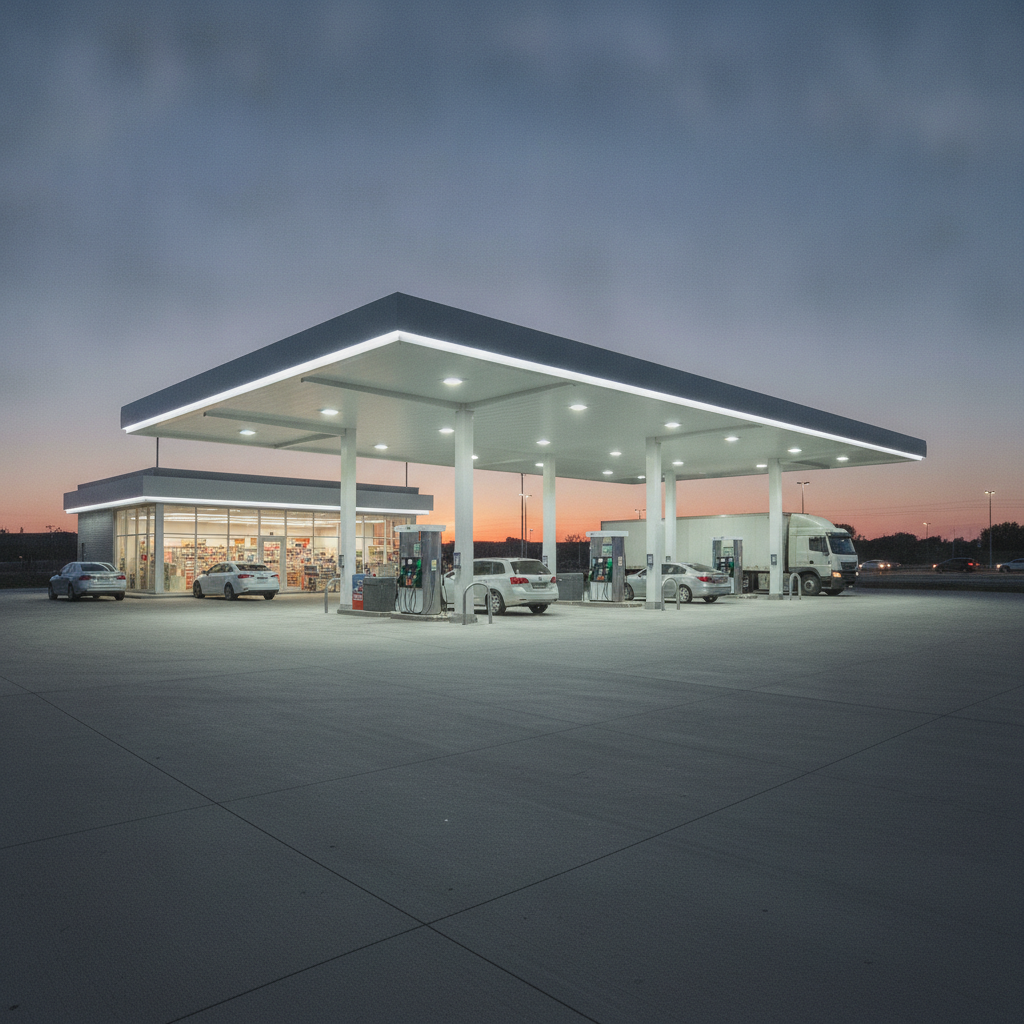
The visible part of a station normally includes a forecourt, canopy, dispensers, hoses, payment terminals and signs identifying the available products. Behind the scenes, the site has storage and delivery systems, inspection and maintenance responsibilities, procedures for spills or emergencies, and controls intended to keep fuel handling safe. The convenience store is a separate retail function at the same address, although both parts are designed to make a single stop more useful.
A modern fuel station may therefore serve several needs at once:
- Vehicle refuelling: gasoline grades and, at selected sites, retail diesel.
- Diesel support: diesel-exhaust fluid, commonly called DEF, for compatible vehicles.
- Quick errands: beverages, snacks, basic vehicle supplies and other convenience items.
- Driver services: parking, an ATM, coffee, hot food, air or vacuum equipment, where offered.
- Payment and rewards: pay-at-pump options and loyalty programmes that can reduce friction on repeat visits.
Not every station offers every product. A driver with a diesel pickup, a commercial van or a fleet vehicle should confirm diesel access rather than assume that every gasoline station has a suitable nozzle. Similarly, a site that sells DEF may offer it at a dispenser, in a container, or through a store-specific arrangement; the available format matters when a vehicle needs a quick top-up.
How Does a Fuel Station Work?
A typical stop follows a straightforward sequence: enter the site, choose a compatible dispenser, authorize payment, select the correct fuel, refuel, replace the nozzle and leave through a safe exit. The dispenser measures the quantity delivered and displays the transaction while the station’s equipment transfers product from its storage system to the vehicle.
From delivery to the dispenser
Fuel reaches a station through a distribution network and is stored at the retail site before it is sold. Natural Resources Canada explains that gasoline has a widely dispersed retail network, while diesel can also move through large commercial card-lock facilities or direct delivery to customer tankage. That difference helps explain why a station’s diesel offering may be especially relevant to trucking, contractors and fleets.
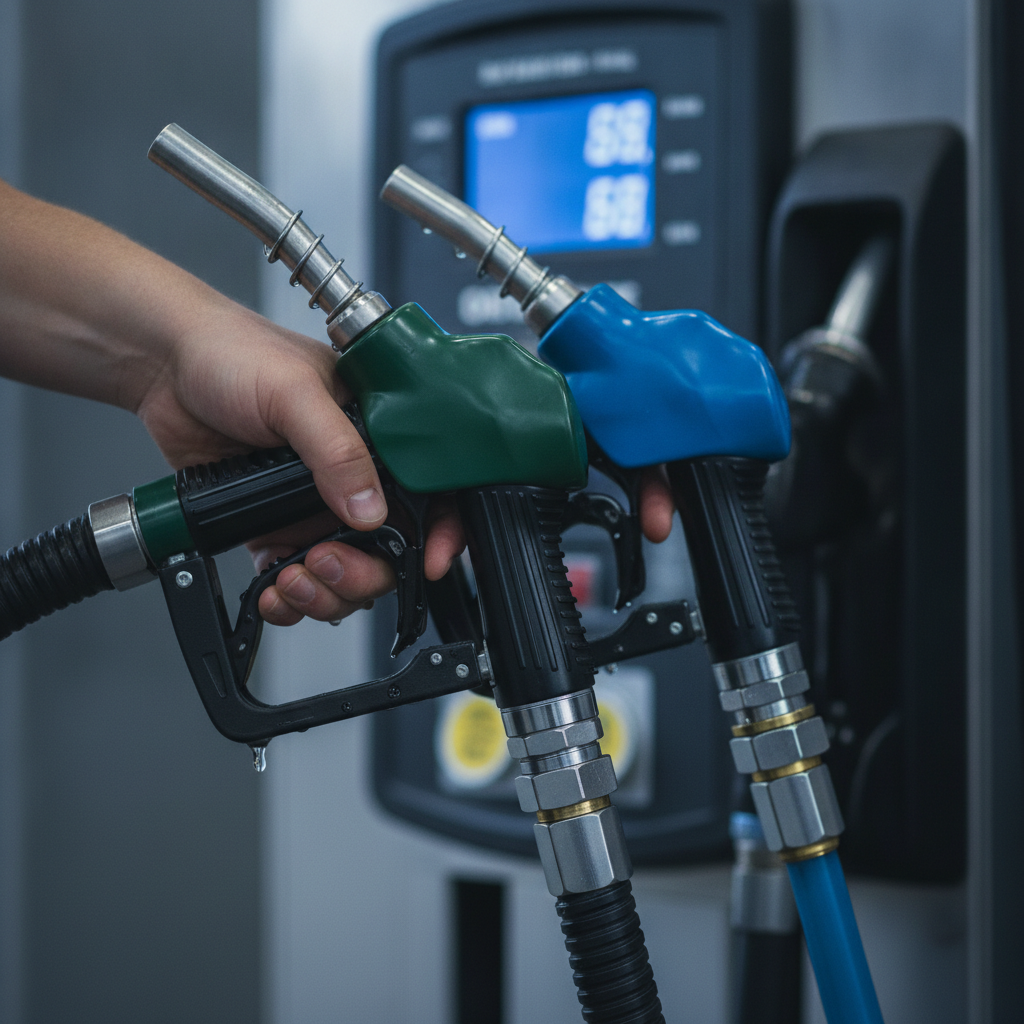
When a driver selects a grade, the dispenser activates the appropriate product path. Product labels, nozzle configuration and vehicle instructions are important safeguards: gasoline and diesel are not interchangeable, and the correct grade should be based on the vehicle manufacturer’s requirements rather than a guess about performance.
What happens during a normal stop
- Approach deliberately: Follow the traffic flow, keep pedestrians in view and select a bay that gives you a clear exit.
- Check the product: Read the grade or diesel label before removing the nozzle. If you are uncertain, check the owner’s manual or vehicle information label.
- Authorize payment: Use the payment method accepted by the dispenser or pay inside if that is more suitable.
- Fuel without distractions: Keep the nozzle engaged only while you are attending the vehicle and stop when the automatic shut-off operates.
- Finish the transaction: Return the nozzle, collect a receipt if needed, check the pump area and leave the lane clear.
| Station area | Purpose | Useful check |
|---|---|---|
| Forecourt and canopy | Vehicle movement and weather-protected fueling | Clear lanes, visible signs and enough room to enter and exit safely |
| Dispenser | Product selection, measurement and payment | Correct fuel label, readable display and clean, intact equipment |
| Store | Convenience retail, food, drinks and payment support | Items that genuinely reduce the need for another stop |
| Parking and service equipment | Short pauses, air, vacuum or cash access | Use only designated areas and keep fueling lanes open |
For drivers, the practical lesson is simple: station efficiency depends on the whole site, not only on pump speed. Clear circulation, a familiar layout, working payment equipment and a useful store can make a larger difference to a daily route than a small variation in the time spent dispensing fuel.
Fuel, Diesel, DEF and Alternative Fuelling Options
The right station depends first on the vehicle and the trip. Gasoline vehicles generally need the grade specified by their manufacturer. Diesel vehicles need a diesel-capable dispenser, and some newer diesel vehicles also need DEF for their selective catalytic reduction emissions system. Drivers should treat these as separate products and follow the vehicle’s instructions for both.
Gasoline grades
Regular, midgrade and premium gasoline differ primarily by octane rating. Premium is appropriate when the manufacturer requires or recommends it, particularly for some high-compression or turbocharged engines. It is not automatically a better choice for every vehicle, so paying for a higher grade makes sense only when it matches the vehicle’s specification or a clearly stated operating need.
Retail diesel
Retail diesel is intended for diesel-powered cars, pickups, vans, buses and commercial vehicles that use the product. A diesel station can be particularly valuable to contractors and fleet operators because predictable access reduces route deviations and makes scheduled refuelling easier. Natural Resources Canada identifies retail outlets and commercial card-lock facilities as important parts of diesel distribution, with the best option depending on the driver’s vehicle, route and account arrangements.
Before entering a busy forecourt with a larger vehicle, check the turning space and exit path. A site that works well for a passenger car may be less convenient for a box truck or trailer. Parking availability is also different from truck-specific overnight parking, so drivers should use the designated areas and confirm any posted restrictions.
DEF
DEF is a fluid used by compatible modern diesel vehicles with SCR emissions systems. It is not gasoline or diesel fuel, and it should never be poured into the fuel tank. If the vehicle has a separate DEF filler, use that opening and follow the vehicle maker’s instructions for handling, storage and refill intervals.
Combining a diesel stop with a DEF check can prevent an avoidable second visit, but drivers should not wait until a warning becomes urgent if the vehicle’s maintenance schedule allows earlier attention. A fleet can make this easier by recording diesel and DEF checks together during routine inspections.
Alternative fuelling choices
Traditional gasoline and diesel are not the only fuelling categories available in Canada. Natural Resources Canada’s station locator includes filters for biodiesel, compressed natural gas, electric charging, ethanol, hydrogen, liquefied natural gas and propane. Availability varies by vehicle, municipality and route, so alternative-fuel drivers should plan around confirmed locations rather than assume that a conventional station has every option.
For background on how vehicle choices and station categories are changing, consult Natural Resources Canada’s fuelling-station locator tutorial. The useful takeaway is not that every driver needs a different fuel, but that the station must match the vehicle and the journey.
How to Choose a Fuel Station for Your Route
The best fuel station is not necessarily the one with the lowest displayed price or the shortest drive from home. A better decision considers the product you need, when you travel, how large your vehicle is, whether you need food or other errands, and how easily you can enter and leave the site.
Use this five-point comparison
- Confirm fuel compatibility. Check gasoline grade, diesel availability and DEF access before making the station your regular stop.
- Consider operating access. Early-shift workers, late-returning commuters and logistics drivers may value 24-hour fuel access more than a small detour for a marginal price difference.
- Assess vehicle movement. Look for sufficient turning room, clear sightlines and designated parking if you drive a van, truck or fleet vehicle.
- Bundle genuine errands. Coffee, food, an ATM, air, vacuum and convenience retail can reduce separate trips when they are available at the same site.
- Check repeat value. A loyalty programme, familiar layout and reliable equipment can make a regular stop easier to manage over time.
Choose timing as well as location
Traffic patterns vary by route and day. A driver who can shift a stop away from a busy commute may save more time than a driver who changes stations for a small price difference. Early or late access can be useful, but visitors should still follow posted instructions, remain aware of other vehicles and avoid lingering in fueling lanes.
In Stouffville and Whitchurch-Stouffville, local motorists may combine a fuel stop with commuting, school runs, contractor visits or trips toward Highway 48. The useful habit is to choose a predictable station along an existing route rather than create a new detour solely for convenience retail.
Use a simple stop routine
Many repeat drivers benefit from a consistent sequence: park or fuel first, check the fuel grade, authorize payment, refuel, collect a receipt, and then move to the store or designated service area. Separating fueling from shopping keeps the pump lane available and reduces the chance of leaving a vehicle unattended in an active forecourt.
A small vehicle kit can also help with routine care. A tire gauge, gloves, windshield fluid and a cloth are practical additions, but equipment should be used only where the site permits it. Do not turn a quick stop into roadside maintenance in a high-traffic area.
Esso Bloomington: A One-Stop Example in Stouffville
Esso Bloomington, at 5241 Bloomington Rd near Highway 48 in Stouffville, is designed for motorists who want fuel and several everyday services at one location. The business identifies 24-hour fuel access, premium gas, retail diesel, DEF and on-site parking as core parts of the site, making it relevant to local drivers, commuters, truck drivers and fleet vehicles.
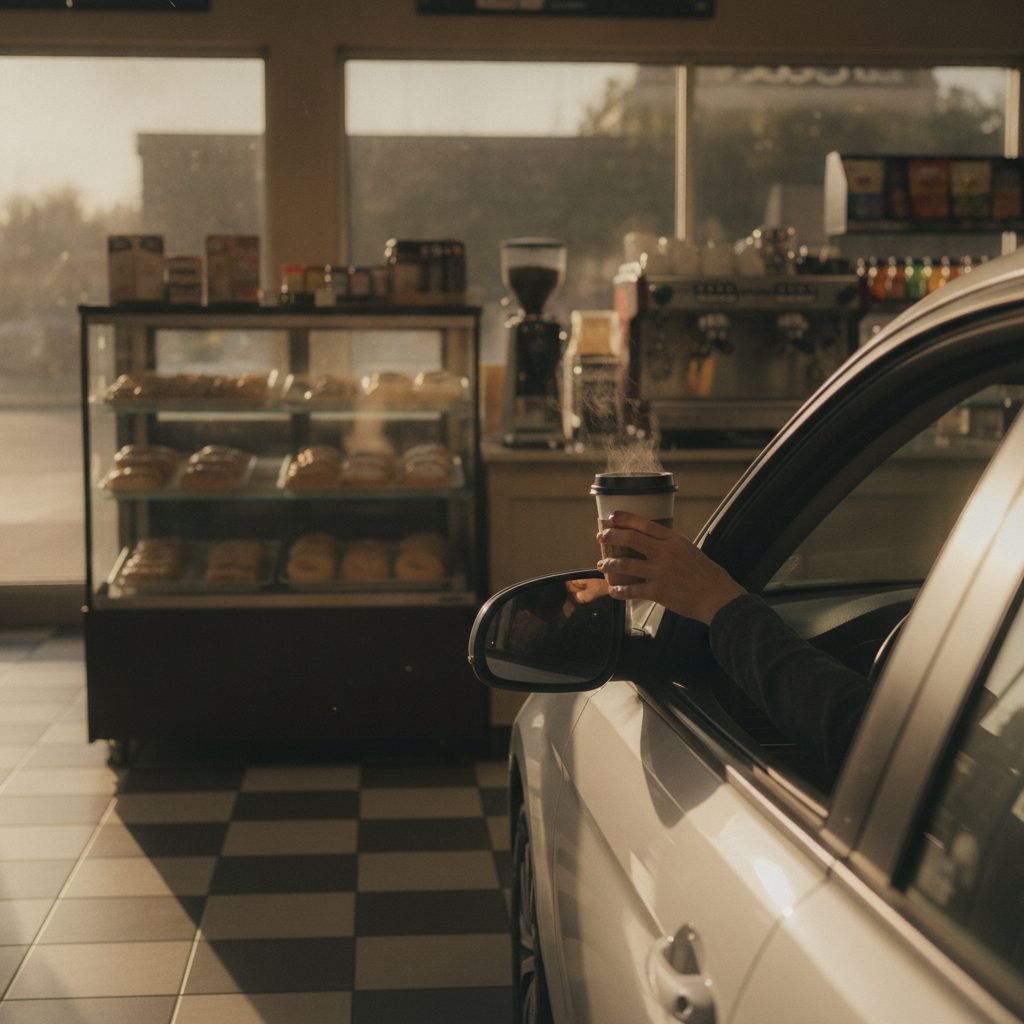
The store also combines fueling with a Bloomington Convenience Store, LCBO convenience, Beer Store convenience and an in-store Country Style. Country Style offers coffee, donuts, sandwiches, bagels and hot items including patties, samosas and Indian chai. An air pump, vacuum and ATM provide additional reasons to complete an errand without adding another stop.
| Need | What to look for at the stop | Why it may help |
|---|---|---|
| Routine gasoline refuelling | Available gasoline grades and a familiar pump layout | Reduces decision time for regular commuters |
| Diesel route work | Retail diesel, suitable circulation and parking | Supports pickups, vans and fleet schedules |
| Diesel maintenance | DEF access alongside diesel fueling | Makes a scheduled top-up easier to remember |
| Morning or shift food | Country Style coffee, baked goods and hot items | Combines breakfast with a necessary fuel stop |
| Small errands | Convenience retail, LCBO convenience and Beer Store convenience | Can reduce a separate trip when the purchase is appropriate |
| Basic vehicle care | Air pump and vacuum | Supports simple tire and interior checks during a planned stop |
The site’s limited-time in-store offer may provide a free coffee, bottled water or can of pop with a purchase of $60 or more. Because offers can have conditions or change, check the current in-store terms before relying on it as part of a route plan.
For a broader explanation of how forecourts and convenience sites are planned, see this overview of petroleum product distribution networks. It provides useful context for why retail stations, commercial fueling facilities and direct-delivery arrangements serve different types of drivers.
Fuel Station Safety and Ontario Requirements
Fueling is routine, but it involves flammable products, moving vehicles and electrical payment equipment. Drivers should switch off the engine where required, avoid smoking or open flames, keep phones and distractions under control, follow posted instructions and report spills or damaged equipment to staff. Children and passengers should remain clear of moving vehicles and dispenser lanes.
Why licensing and inspection matter
Ontario’s liquid-fuels rules define a facility that handles gasoline or an associated product for retail purposes and require the applicable retail outlet licensing and inspection process. The regulation also addresses approved equipment and the operation of retail outlets. These requirements are part of the framework that supports safe storage, transfer and dispensing; they are not a substitute for following the station’s on-site instructions.
Read the current Ontario liquid-fuels regulation when you need the definitions and handling rules themselves. A separate licensing provision explains the requirement to operate a licensed retail outlet, so businesses and operators should consult the Ontario retail-outlet licensing regulation for the applicable details.
Attendants, self-service and site rules
Ontario’s Fire Code includes requirements concerning attendants at fuel-dispensing stations, with exceptions and conditions that depend on the equipment and operating model. Card-operated, preset and other special dispensers can be subject to additional restrictions at self-service outlets. Drivers should follow the station’s instructions rather than assume that a payment terminal changes the site’s safety obligations.
The relevant Ontario Fire Code provisions for fuel-dispensing stations are the appropriate source for the legal wording. If equipment appears damaged, a nozzle will not shut off, or a spill is visible, stop the transaction if safe and notify staff immediately.
Safe practices for larger vehicles
- Choose a lane that leaves enough space for turning and does not require reversing across active traffic.
- Keep trailers, delivery vehicles and commercial equipment in designated areas rather than blocking dispensers.
- Do not use a parking area as a substitute for overnight truck parking unless the business expressly permits it.
- When topping up DEF, confirm the filler location and keep DEF separate from gasoline and diesel.
- Complete receipts, food purchases and other errands after moving away from the active pump lane where possible.
Fuel Prices, Loyalty and the Real Cost of a Stop
The pump price is not determined only by the station. Ontario explains that producers and importers sell fuel to retailers at wholesale prices, after which retailers add a markup and taxes. Wholesale prices respond to North American markets and benchmark locations, including New York Harbor for Toronto-area prices.
Read the province’s current explanation of how Ontario motor-fuel prices are set when you are comparing price changes. A displayed price is useful, but it should be considered alongside the distance driven, time spent waiting, vehicle compatibility and any planned errand that would otherwise require another trip.
When a loyalty programme helps
At Esso and Mobil, drivers can earn PC Optimum points on every litre of gas or diesel when they scan or link the programme as required. Rewards are most useful for people who buy fuel regularly and can collect points without adding time or changing a necessary route. Keep the payment and loyalty steps organized so that a points opportunity does not create confusion at the dispenser.
A practical comparison
| Decision factor | Question to ask | Best fit |
|---|---|---|
| Displayed price | Is the difference large enough to offset an extra detour or wait? | Price-sensitive drivers already passing the station |
| Product access | Does the site have the grade, diesel or DEF the vehicle requires? | Drivers with specific vehicle requirements |
| Operating access | Can I fuel when my route actually requires it? | Shift workers and commercial drivers |
| Services | Will food, parking, air or convenience retail replace another stop? | Drivers combining errands |
| Rewards | Can I earn points on a purchase I would make anyway? | Frequent fuel buyers |
The strongest choice is often the station that fits the route and the vehicle consistently. A dependable stop with appropriate fuel, clear movement and useful services can be more valuable than a slightly cheaper but inconvenient alternative.
A Repeatable Fuel Station Checklist
A checklist is useful for commuters, families and fleet drivers because it turns a rushed stop into a predictable process. Keep it short enough to use without slowing other customers:
- Before arrival: Know the required fuel, approximate fill level and any item you need from the store.
- On entry: Select a bay with a safe exit and keep pedestrians and larger vehicles in view.
- At the pump: Confirm the label, authorize payment and remain attentive while fueling.
- After fueling: Replace the nozzle, take the receipt and move to parking or the store if needed.
- Before leaving: Check that the fuel door is closed, purchases are secure and the route is clear.
For a diesel vehicle, add two checks: confirm whether DEF is due and verify that the correct nozzle or container is being used. For a fleet, record the stop through the organization’s normal process so fuel use and maintenance remain traceable.
Winter driving can make a short stop feel longer because of snow, ice, reduced visibility and extra windshield-care needs. Allow room for other vehicles, avoid rushing around the forecourt and use air or vacuum equipment only when conditions and site instructions make it appropriate.
Frequently Asked Questions About Fuel Stations
What is the difference between a fuel station and a gas station?
“Gas station” commonly refers to a site selling gasoline, while “fuel station” is a broader everyday term that can include gasoline, diesel and other fuelling options. Ontario sources may use more precise terms such as retail outlet or fuel-dispensing station. The exact label matters less to a driver than confirming which products and services the site actually provides.
How do I know whether my vehicle needs premium gas?
Check the owner’s manual, fuel-door label or manufacturer guidance. Use premium when it is required or recommended for the engine; do not assume that the highest octane is necessary for every car. If the vehicle is designed for regular fuel, choosing premium may add cost without providing a required benefit.
Who needs DEF at a fuel station?
Diesel vehicles equipped with an SCR emissions system use DEF through a separate system. DEF is not diesel and must not be added to the fuel tank. Follow the vehicle manufacturer’s refill instructions and use a station’s DEF service only when the product and filler arrangement match the vehicle.
Can I earn PC Optimum points on fuel?
At Esso and Mobil, eligible drivers can earn PC Optimum points on every litre of gas or diesel by scanning or linking the programme as required. The practical benefit is greatest for regular fuel buyers who use the programme consistently. Confirm that the account is connected before completing the transaction if points are important to you.
What services are available at Esso Bloomington?
Esso Bloomington in Stouffville offers 24-hour fuel access, premium gas, retail diesel, DEF and on-site parking. Its wider stop includes convenience retail, LCBO convenience, Beer Store convenience, Country Style coffee and food, an air pump, vacuum and ATM. Service availability and promotions can change, so check current details before planning around a specific offer.
Is a fuel station’s parking suitable for trucks?
Esso Bloomington provides on-site parking for practical stops, including visits connected with diesel, DEF and food. Drivers should use designated areas, keep pump lanes clear and follow posted restrictions. On-site parking should not automatically be treated as permission for overnight parking or extended rest.
Plan a More Efficient Fuel Stop
A good fuel station matches the vehicle, the route and the task at hand. Confirm the required gasoline grade, diesel or DEF access; consider safe circulation and operating hours; then use food, convenience retail, parking or loyalty rewards only when they genuinely make the stop more efficient.
For Stouffville motorists and fleet drivers, Esso Bloomington brings 24-hour fueling, retail diesel, DEF, parking and practical store services together near Highway 48. Plan your next stop at Esso Bloomington and check the current fuel, amenity and in-store offer details before you travel.